
hADM Skin Regeneration
Juveacell
For under-eye hollowing and dark circles, depressed scars and thinned skin — Juveacell places a matrix resembling human dermal structure as a scaffold for regeneration (hADM).
Duration
20-30 min
Pain
Moderate
Full-face moderate · under-eye low
Downtime
2-3 days
Price
₩650,000~
8% under-eye ₩650k · V full face ₩750k
All prices shown include VAT.
What is Juveacell?
Juveacell is a regenerative treatment using human acellular dermal matrix (hADM). Long used in body applications such as plastic and orthopedic surgery, it has recently seen growing use in facial aesthetics.
Unlike ordinary skin boosters that ‘stimulate’ collagen with a single ingredient, it places a matrix resembling the skin’s own dermal structure, into which fibroblasts move to create natural regeneration and volume. It also tends not to form nodules.
Source
Human acellular dermal matrix (hADM)
Decellularization
Supercritical CO₂ · surfactant-free
Trait
No nodules
Duration
About 3-6 months
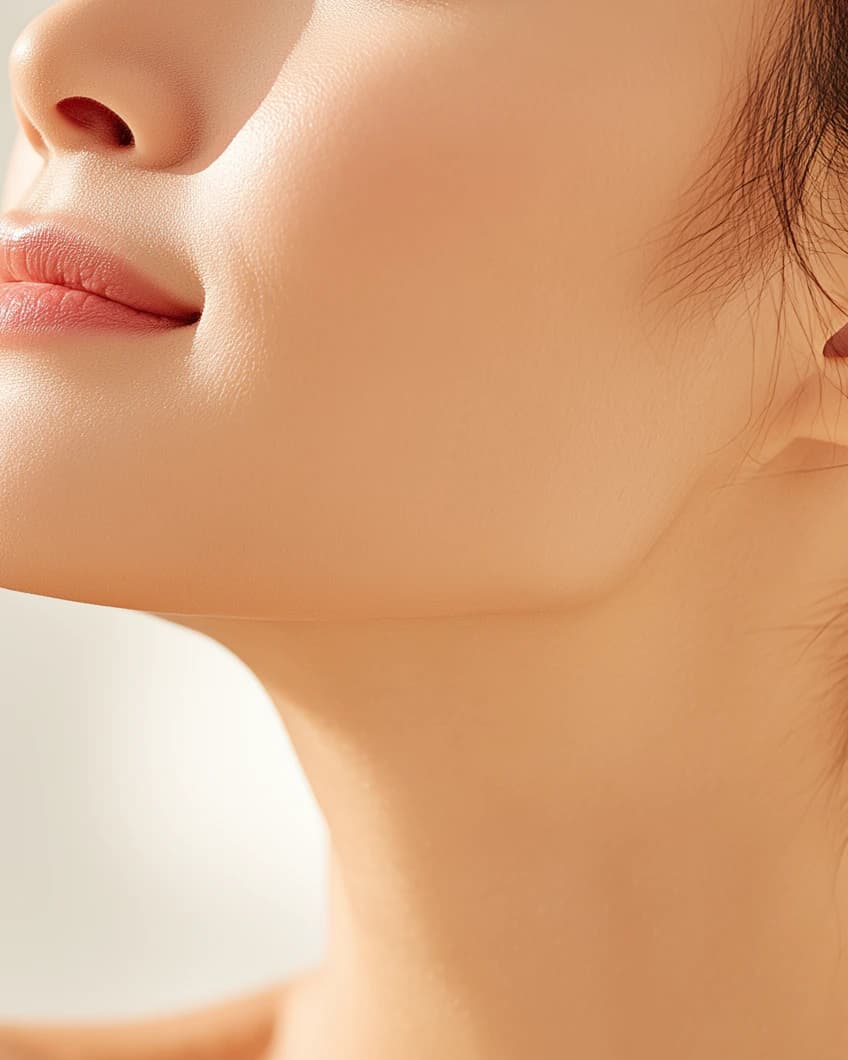
How it works — a matrix, not just an ingredient
Cellular components are removed from donor human dermis while its ECM (collagen and structural proteins) scaffold is preserved. As shown below, once this acellular dermal matrix settles in the skin, fibroblasts move in to create regeneration and volume.
The supercritical CO₂ process (surfactant-free) removes cells with low cellular and chemical residue while preserving the dermal ECM. Rather than simply filling with an ingredient, it provides a scaffold resembling the dermis.
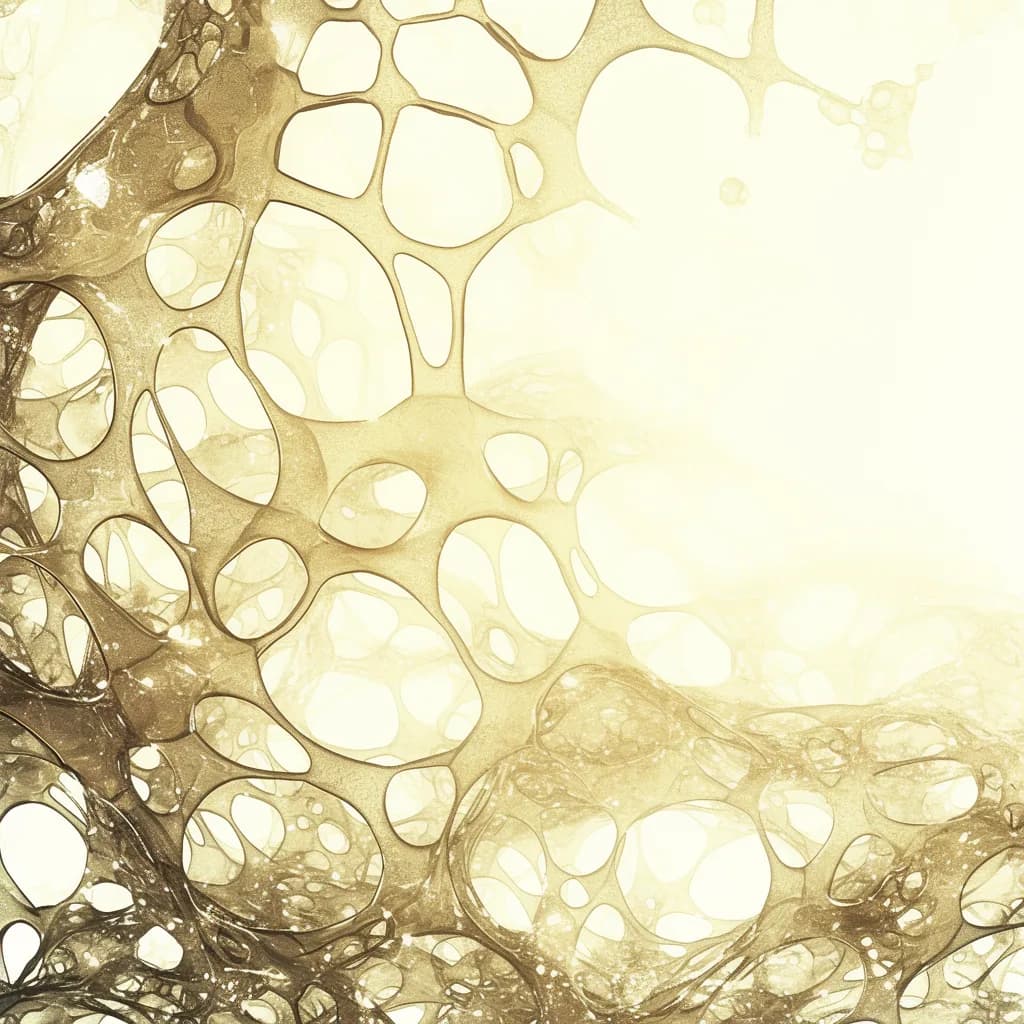
Rather than ‘stimulating’ with an ingredient, it provides a matrix resembling the dermal ECM scaffold itself as a foundation for regeneration.
The evidence
The science and regulation of hADM are described across the literature. Injectable hADM for facial aesthetics, however, is relatively new — the evidence includes small, early studies, and individual results are not guaranteed.
A review of ADM clinical applications describes implanted ADM being repopulated by host cells (fibroblasts, etc.), followed by increased collagen and elastin and the onset of revascularization.
Petrie et al., Scars Burns Heal, 2022 ↗ (opens in a new window)An early study of injectable (micronized) acellular dermal matrix for facial soft-tissue augmentation observed histological invasion by host fibroblasts without foreign-body reaction.
Sclafani et al., Arch Facial Plast Surg, 2000 ↗ (opens in a new window)In a 20-participant split-face study, the side treated with particulated hADM was reported to show improvements in skin-density, elasticity, wrinkle and hydration-related measures over 20 weeks (a small pilot).
Lee et al., Int J Mol Sci, 2026 (split-face) ↗ (opens in a new window)Supercritical CO₂ decellularization is performed at low temperature, reducing ECM protein denaturation versus detergent methods; preclinically it was associated with reduced inflammatory cytokines and progressive fibroblast infiltration with new (type I/III) collagen over time.
Giang et al., Front Bioeng Biotechnol, 2024 ↗ (opens in a new window)The source human dermis is classified in the U.S. as a human cell/tissue product (HCT/P), regulated by the FDA, with many supplied by AATB-accredited tissue banks.
eCFR — 21 CFR Part 1271 (HCT/P) · AATB ↗ (opens in a new window)
Especially used for the under-eye
It is used for under-eye hollowing, dark circles and regeneration that other treatments struggled to improve. It is applied in a similar area to Rejuran Eye and Juvelook Eye; since the under-eye is a spot where nodules are especially unwelcome and Juveacell tends not to form nodules, it can be treated here as well.
Where it's used
- Full-face skin booster — shallow dermal injection for overall texture, elasticity and regeneration
- Under-eye (dark circles, hollowing, fine lines) — cannula technique, reassuring as it doesn't form nodules
- Depressed scars — tissue reconstruction for acne/chickenpox scars
- Volume loss / thinned skin — structural reinforcement and regeneration
Juveacell vs Rejuran vs Juvelook
| Juveacell (hADM) | Rejuran | Juvelook | |
|---|---|---|---|
| Concept | Supplies dermal matrix (ECM scaffold) | Stimulates via ingredient (PN/PDRN) | Stimulates via ingredient (PDLLA) |
| Action | Scaffold for regeneration + volume | Texture, elasticity, renewal | Collagen build-up, volume |
| Nodules | None | None | Rarely possible |
| Under-eye | Hollowing & regeneration | Rejuran Eye | Juvelook Eye |
Not better-or-worse, but a difference in approach — Juveacell for under-eye and regeneration, Rejuran/Juvelook for texture and elasticity upkeep, decided through consultation.
Procedure & recovery
Treatment
Topical numbing, then full-face injection (moderate) or cannula under-eye (mild), ~20-30 min
First days
Mild swelling for 2-3 days, and with bruising up to 1-2 weeks, but daily life is fine
After
Regeneration and volume settle; effect lasts about 3-6 months (varies)
Duration is about 3-6 months (individual variation); anesthesia is by topical numbing cream.
Safety & regulation
The source human dermis is managed by the U.S. FDA as a human cell/tissue product (HCT/P) and supplied by AATB-accredited tissue banks. Cellular components that could cause rejection or infection are removed, and the supercritical CO₂ method further reduces chemical residue to minimize immune and foreign-body reactions.
That said, because it uses human tissue, we recommend ongoing follow-up for long-term and potential effects.
Before & after care
- Mild swelling at the injection sites usually lasts 2-3 days; for some people it lingers longer or bruising appears, so allow up to 1-2 weeks. It resolves naturally in most cases.
- If you have an important event such as a wedding, allow 1-2 weeks or more beforehand, accounting for swelling and bruising.
- Do not rub or apply strong pressure to the area on the treatment day.
- Adequate moisturizing and sun protection are needed.
- Avoid sauna and hot environments for one week.
- Consultation is required during pregnancy, breastfeeding, or with certain conditions.
Frequently asked questions
Related Columns
 Anti-aging
"Ozempic Face": Volume First, Not Just Tightening
Ozempic face is the hollow, older-looking face that can follow rapid weight loss. Why speed matters more than the drug, and why volume comes before tightening.
 Anti-aging
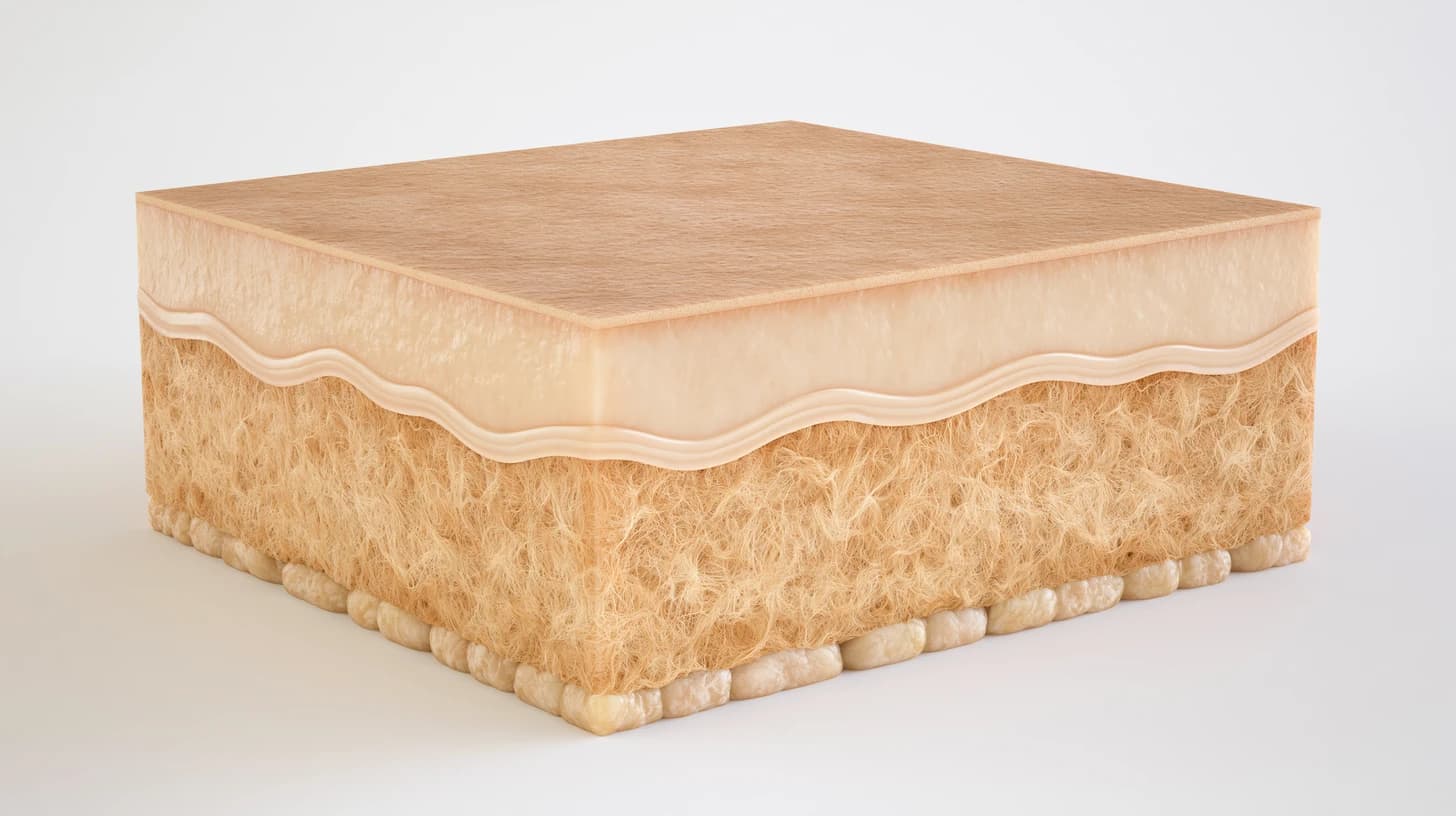
Not a Signal, But a Scaffold: How Juveacell's hADM Works
Most boosters signal the skin to make collagen. Juveacell places a matrix that mirrors human dermis — a scaffold your own cells move into.
 Anti-aging
When to Book a Lifting Treatment — Counting Back from Your Date
If you have an important date coming up, one to two months ahead is the usual reference point. Most lifting and booster treatments look their best as collagen builds, not right after the session. Here is the timing and recovery for each.
Consultation
Is Juveacell right for you?
We’ll guide the right plan for your goals and skin — full-face, under-eye and more — in a 1:1 consultation.